Trading And Demat Account For Smooth Stock Trading Online Now
Investing in shares requires an account structure that allows investors to buy, sell, hold, and manage securities conveniently. A Demat Trading Account combines the functions needed to participate in the stock market, making it easier to handle investments and trading activities through digital platforms.
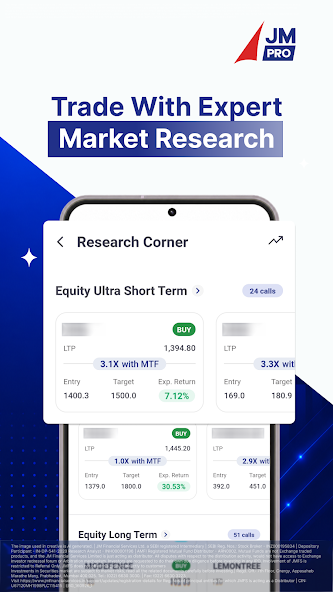
An Online Trading Account can provide access to market orders, portfolio information, transaction details, and other investment-related services from a single digital interface. Understanding how these accounts work can help new and existing investors manage their stock market activities more systematically.
Understanding Trading And Demat Accounts
A Demat account is used to hold securities in electronic form, while a trading account is used to place buy and sell orders in the stock market. Although they serve different purposes, they work together during a typical investment transaction.
When an investor purchases shares, the trading account facilitates the order, while the securities are credited to the Demat account after settlement. When shares are sold, the trading account handles the transaction and the securities are debited from the Demat account.
This connection makes it easier to move from placing an order to holding the purchased securities electronically.
Role of a Demat Account
A Demat account stores securities such as equity shares and certain other eligible investments in electronic form. It eliminates the need to maintain physical share certificates for holdings that are available through the electronic system.
Investors can use their Demat account to view their holdings and review information related to securities credited to their account. The account can also help maintain a record of investments over time.
Role of a Trading Account
A trading account is primarily used for executing transactions in the market. Investors can use it to place orders according to their investment or trading requirements.
Depending on the services offered by the account provider, users may have access to different order types, market information, transaction records, and portfolio-related features.
How Trading And Demat Accounts Work Together
The relationship between these two accounts becomes clearer through a simple share purchase.
Suppose an investor decides to purchase shares of a listed company. The investor first places a buy order through the trading account. Once the order is executed and the transaction completes its settlement process, the purchased shares are credited electronically to the linked Demat account.
When the investor later decides to sell those shares, the selling order is placed through the trading account. After the transaction is processed, the relevant securities are debited from the Demat account according to the applicable settlement process.
This arrangement separates the functions of transaction execution and electronic securities holding while allowing both accounts to work together.
Features to Consider Before Opening an Account
Investors should understand the services, charges, and account conditions before selecting a trading and Demat account. Different providers may offer different features and pricing structures.
Digital Account Opening
Many providers allow investors to complete the account-opening process online. This may involve submitting personal information, completing identity verification, and providing the documents required under applicable regulations.
An online process can reduce paperwork and allow investors to complete several steps digitally.
Order Placement Facilities
A trading platform should provide a clear process for placing buy and sell orders. Investors may also find different order types depending on the market segment and services supported by the provider.
Understanding how each order type works is important before using it for an actual transaction.
Portfolio and Holdings Information
A useful platform should make it easy to view securities held in the Demat account and review relevant transaction information. Clear records can help investors understand their current holdings and follow changes in their portfolio.
Transaction Statements
Statements provide records of transactions and account activity. Reviewing these records periodically can help investors identify purchases, sales, credits, debits, and other account-related entries.
Benefits of Using an Online Trading Setup
An Online Trading Account can make market participation more convenient by allowing investors to access their accounts through internet-connected devices. Instead of relying entirely on physical paperwork, many routine activities can be completed digitally.
Investors can review market information, place eligible orders, check holdings, and access account statements from a digital platform. The exact features available depend on the provider and the market services enabled for the account.
For investors who prefer managing their investments independently, digital access can make routine account management more straightforward.
Things to Check Before Choosing a Trading Platform
Opening an account should involve more than simply comparing account-opening offers. Investors should examine the overall service structure and understand the costs involved.
Account and Transaction Charges
Review applicable account maintenance charges, brokerage, transaction-related costs, taxes, and other statutory or service charges. The actual cost can vary depending on the type and frequency of transactions.
Platform Usability
A trading platform should be reasonably easy to navigate. Investors should be able to locate their portfolio, orders, transaction history, and account information without unnecessary complexity.
Security Measures
Account security is important because trading platforms provide access to financial information and transaction facilities. Investors should understand the authentication methods available and follow safe practices such as protecting passwords, PINs, and verification credentials.
Customer Support
Investors may need assistance with account-related questions, transactions, technical issues, or documentation. Reviewing the support channels and service availability can therefore be useful before opening an account.
Maintaining a Trading And Demat Account
Opening an account is only the first step. Investors should regularly review their holdings and account records. Checking transaction statements can help identify unexpected entries and maintain accurate records.
It is also important to keep personal and contact information updated. Investors should complete any required verification or documentation within the applicable timelines.
When using a digital platform, users should avoid sharing login credentials or authentication details with others. Accessing accounts through secure devices and networks can also reduce avoidable security risks.
Trading and Investing With Greater Awareness
A trading and Demat setup provides the infrastructure for participating in the stock market, but it does not determine whether an investment will generate a profit or loss. Market prices can change because of company performance, economic conditions, investor activity, and other factors.
Before placing an order, investors should understand the security being purchased, the associated risks, the investment objective, and the time horizon. Keeping personal records of transactions and reviewing portfolio allocations can also support more organized investment management.
New investors may benefit from learning the basics of market orders, settlement, Demat holdings, brokerage charges, and investment risks before actively trading.
Conclusion
A Demat Trading Account brings together electronic securities holding and market transaction facilities, allowing investors to manage shares through a connected digital setup. Understanding the separate roles of Demat and trading accounts can make the investment process easier to follow.
An Online Trading Account can provide convenient access to order placement, portfolio information, transaction records, and other account services. Before opening an account, investors should compare charges, features, security measures, usability, and support services. A clear understanding of these factors can help investors manage their stock market activities in a more organized manner.